Introduction
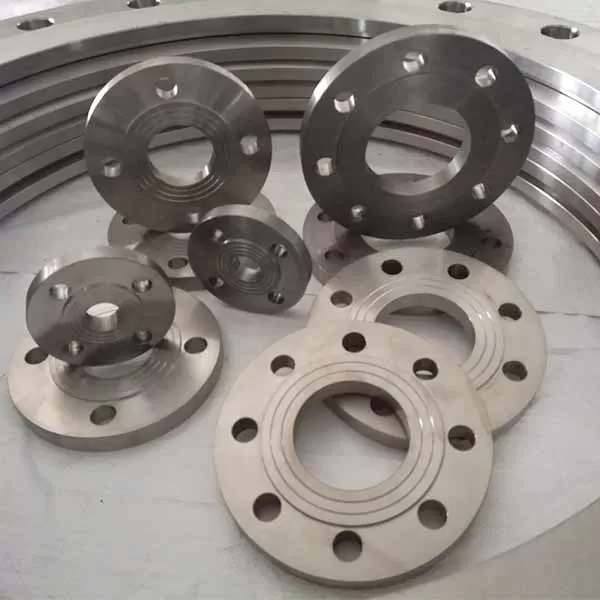
Titanium flanges are essential components in high-performance piping systems, used across industries like oil and gas, petrochemicals, marine, aerospace, and power generation. Known for their remarkable properties, including strength, corrosion resistance, and light weight, titanium flanges are gaining popularity as industries seek durable and long-lasting solutions for their most demanding applications.
The demand for titanium flanges in India has grown significantly, driven by the rapid industrialization of sectors like oil & gas, power generation, and aerospace. As global supply chains evolve, the role of Indian manufacturers, suppliers, and distributors in providing high-quality titanium products has never been more critical.
This case study delves into the market demand, applications, technical comparison, and challenges surrounding titanium flanges, with a particular focus on India.
1. Understanding Titanium Flanges and Their Grades
What Are Titanium Flanges?
Titanium flanges are a type of pipe flange made from titanium alloy that are used to connect pipes in industrial systems. These flanges play a crucial role in maintaining the integrity of a piping system by ensuring secure, leak-free joints under high-pressure conditions. They are ideal for industries that require components with excellent resistance to corrosion, high strength, and light weight, such as oil & gas, aerospace, and chemical processing.
Titanium Grades Overview
Titanium flanges come in several grades, each offering distinct properties suited to different applications. The key grades used in various industries include:
-
Titanium Gr 1: This is the purest form of titanium, known for its excellent corrosion resistance and high formability. It is best suited for industries dealing with mild corrosive environments like chemical processing and marine applications.
-
Titanium Gr 2: Slightly stronger than Gr 1, Gr 2 is the most commonly used titanium alloy. It combines good strength and corrosion resistance, making it ideal for applications in the petrochemical, marine, and power generation industries.
-
Titanium Gr 5 (Ti-6Al-4V): This is one of the most widely used titanium alloys due to its high strength-to-weight ratio and versatility. It's often found in aerospace, marine, and oil & gas applications where both strength and corrosion resistance are crucial.
-
Titanium Gr 9: Known for its moderate strength and excellent resistance to corrosion, especially in seawater, Gr 9 is often used in marine environments and chemical industries.
-
Titanium Gr 12: Offering a good balance of strength and corrosion resistance, Gr 12 is particularly beneficial in the petrochemical and marine industries, where it performs well in harsh environments.
2. Detailed Comparison of Titanium Flange Grades
Key Properties Comparison
| Grade |
Strength |
Corrosion Resistance |
Applications |
Cost |
| Gr 1 |
Low |
Excellent (mild conditions) |
Chemical processing, marine |
Lower |
| Gr 2 |
Moderate |
Excellent (corrosive environments) |
Oil & Gas, petrochemical, power generation |
Medium |
| Gr 5 (Ti-6Al-4V) |
High |
Good (mild to moderate environments) |
Aerospace, oil & gas, marine |
High |
| Gr 9 |
Moderate |
Excellent (seawater) |
Marine, chemical processing |
Medium |
| Gr 12 |
Moderate |
Excellent (sulfuric acid, seawater) |
Petrochemical, marine |
Medium-High |
-
Titanium Gr 1 is most cost-effective but offers lower strength than the other grades. It’s ideal for low-pressure applications in chemical industries.
-
Titanium Gr 2 offers better strength and is the most widely used titanium alloy, suitable for moderate-strength applications in industries like power generation.
-
Titanium Gr 5 (Ti-6Al-4V) is favored for its superior strength and is found in high-stress environments, including aerospace and offshore rigs.
-
Titanium Gr 9 is an excellent choice for marine environments due to its resistance to seawater corrosion.
-
Titanium Gr 12 is slightly more expensive but provides superior resistance to aggressive chemicals, making it highly suitable for petrochemical and marine applications.
Applications in Key Industries
-
Oil & Gas: Titanium Gr 5 and Gr 2 flanges are critical in offshore drilling and refineries, where corrosion resistance and strength are required for dealing with extreme environments.
-
Petrochemicals: Flanges made from Gr 1 and Gr 2 are commonly used in reactors, heat exchangers, and pipe fittings in petrochemical plants due to their durability against aggressive chemicals.
-
Marine: Gr 9 and Gr 12 titanium flanges are popular for submarine equipment, offshore platforms, and shipbuilding, owing to their exceptional resistance to seawater corrosion.
-
Aerospace: Titanium Gr 5 flanges are used in aircraft engines and spacecraft components, where lightweight and high strength are essential.
-
Power Generation: Gr 2 and Gr 12 titanium flanges are used in nuclear reactors, turbines, and cooling systems, providing strength and corrosion resistance in high-pressure systems.
3. Titanium Flanges in the Indian Market
Manufacturers, Suppliers, and Distributors
India has emerged as a significant player in the global titanium flange market, with a growing number of manufacturers and suppliers catering to both domestic and international demands. Key cities like Mumbai, Chennai, and Delhi host a number of titanium alloy manufacturers specializing in titanium flanges, meeting the needs of industries such as oil & gas, power generation, and aerospace.
These manufacturers are increasingly adopting advanced production techniques, such as CNC machining and electron beam welding, to produce high-quality, precise flanges.
Cost Analysis
While titanium flanges are generally more expensive than alternatives like stainless steel or carbon steel, their corrosion resistance, light weight, and longer lifespan make them a cost-effective choice in the long term. The price of titanium flanges can fluctuate based on the grade, demand, and raw material sourcing.
4. Certifications and Standards
Titanium flanges used in India must comply with global and local standards to ensure quality and safety. Common certifications include:
- ISO 9001: Quality management systems for ensuring consistent production.
- ASTM B381: Standards for titanium forging and flange specifications.
- ASME B16.5: Flange design, pressure, and temperature ratings.
- ISO 13485: Relevant for medical-grade titanium products.
These certifications ensure that titanium flanges meet international standards, making them suitable for critical applications in industries like aerospace and petrochemical.
5. Challenges in the Titanium Flange Market in India
Supply Chain Issues
Titanium is a specialty material, and sourcing high-quality raw titanium can be challenging. Many Indian manufacturers rely on imported titanium from countries like the USA and Russia, leading to supply chain disruptions.
Cost Volatility
The price of titanium can fluctuate due to global demand and mining conditions, which affects the overall cost of titanium flanges in India.
Limited Availability
Certain titanium grades, especially Gr 5 and Gr 9, are not always readily available in India, leading to long lead times for these specialized products.
6. Future Trends and Demand for Titanium Flanges in India
Market Outlook
The demand for titanium flanges in India is expected to rise significantly, driven by the expansion of oil & gas, aerospace, and marine industries. As India continues to invest in infrastructure development and energy production, the need for high-performance materials like titanium will increase.
Sustainability Trends
With an increasing focus on sustainability in industries like power generation and petrochemicals, titanium’s corrosion resistance and long lifespan make it a material of choice for eco-friendly projects.
Conclusion
Titanium flanges play a pivotal role in many high-performance industries due to their exceptional properties. As demand grows in sectors like oil & gas, marine, aerospace, and petrochemicals, India's role as a supplier becomes increasingly important. Despite challenges like cost volatility and limited availability, the continued advancements in manufacturing technologies ensure that titanium remains a vital material for the future of industrial applications.
Call to Action
Are you looking to source high-quality titanium flanges for your industry? Contact leading Indian suppliers today for quotes and more information on the best titanium solutions tailored to your needs.